


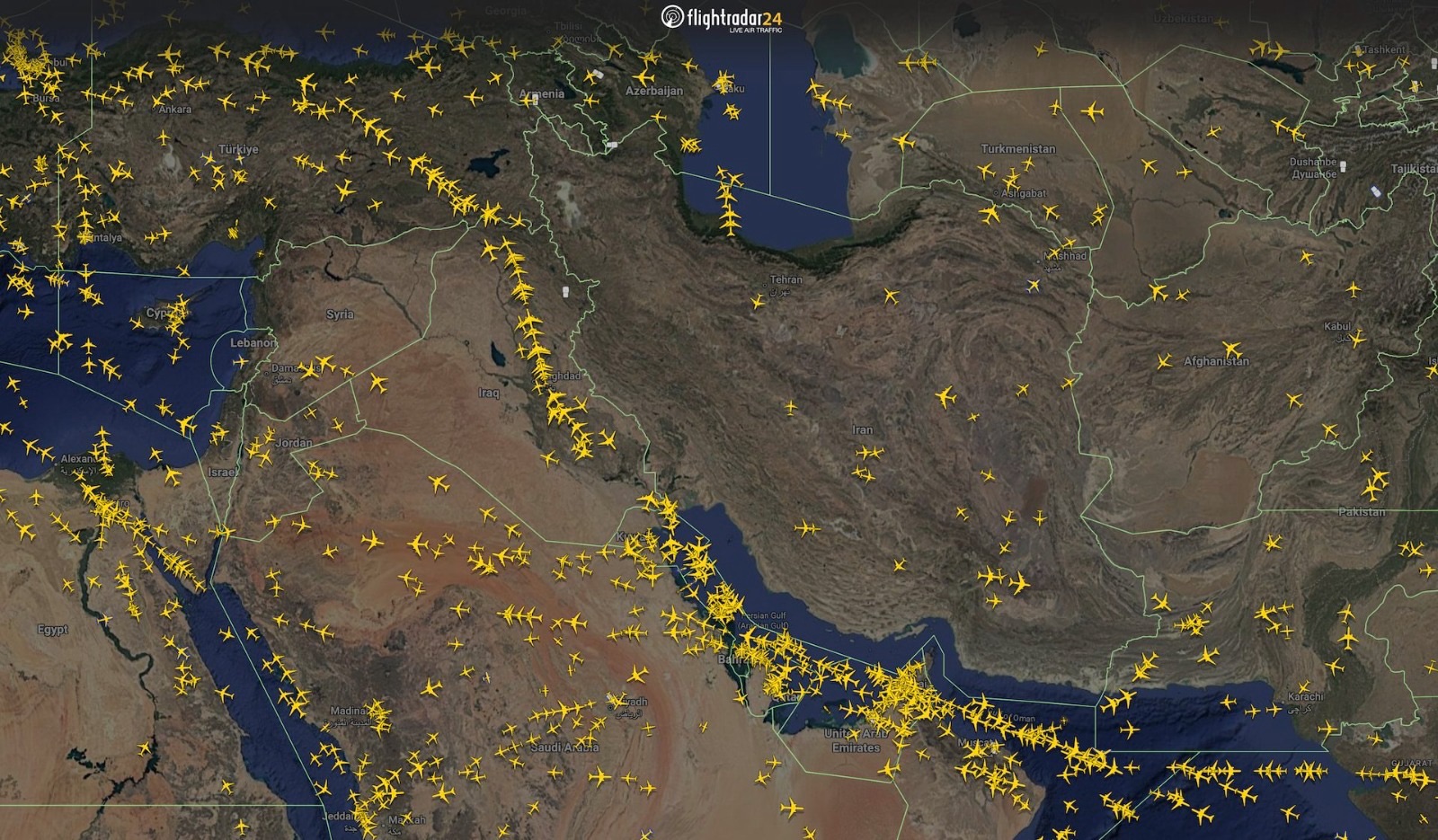
Indian airlines are experiencing disruptions as the escalation between Israel and Iran results in airspace closures throughout the Middle East, impacting transit routes to Dubai and Doha.
On February 28, Indian airlines encountered disruptions after Israel and Iran closed their airspace to civilian flights following coordinated military actions by Israel and the United States targeting Iranian locations. This escalation has led to extensive flight diversions, cancellations, and rerouting within India and across the Middle East.
Air India redirected its Delhi–Tel Aviv flight AI139 back to Mumbai following the closure of Israeli airspace.
“AI139, which was operating from Delhi to Tel Aviv on February 28, is returning to India due to the closure of airspace in Israel, prioritizing the safety of our passengers and crew,” the airline stated in an announcement. It further mentioned its commitment to continuously evaluate the security situation and adapt operations as necessary.
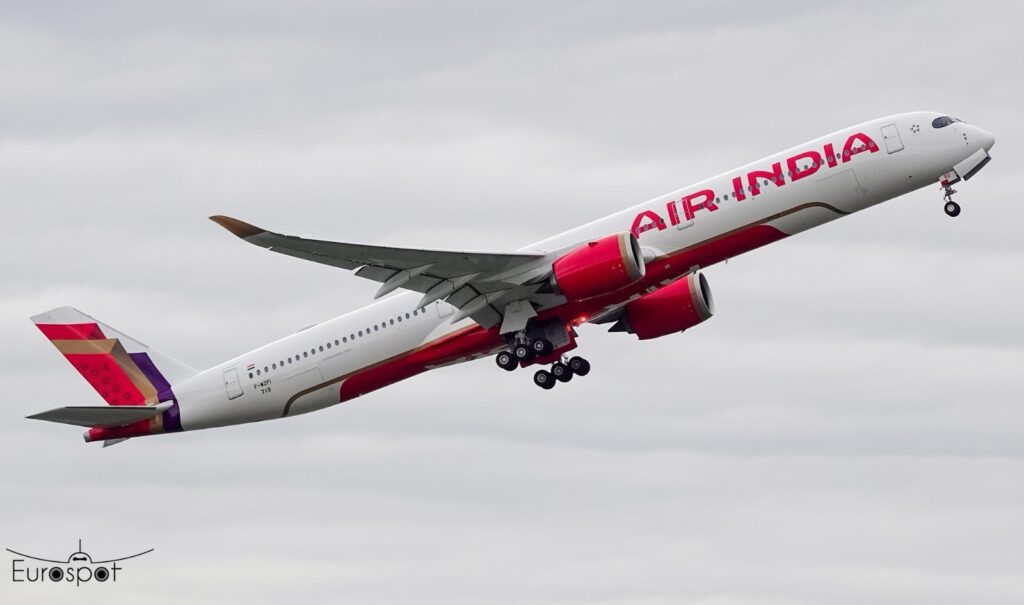
IndiGo reported that it is “closely monitoring updates from the region” and recommended that passengers verify their flight status prior to departure. The airline emphasized that the safety of passengers and crew is its foremost concern and that operational changes would be made if necessary.
SpiceJet indicated that some of its flights might be impacted due to the airspace closures over Dubai, a key transit point for Indian travelers heading to Europe and North America.
The closure of airspace over Iran, Israel, Iraq, the UAE, Jordan, and Syria has compelled airlines to alter their routes, leading to longer flight durations and increased operational expenses. The aviation data platform Flightradar24 noted that the airspace shutdowns were affecting numerous carriers simultaneously, underscoring the magnitude of disruption within global aviation networks.
Impact On Indian Travellers And Routes
Dubai, Doha, and other Gulf hubs serve as vital transit points for Indian travelers. The suspensions at these hubs are anticipated to impede connecting flights from major Indian cities such as Delhi, Mumbai, Bengaluru, and Hyderabad.
Emirates has temporarily halted operations from Dubai Airport due to the regional airspace restrictions. Qatar Airways has suspended its flights following the closure of Qatari airspace. flydubai confirmed that certain services have been disrupted by the temporary airspace closures.

Pakistan International Airlines has ceased its flights to the Middle East. Japan Airlines canceled its Tokyo–Doha route. Swiss International Air Lines has suspended its services to Tel Aviv until March 7 and canceled its Zurich–Dubai flights over the past weekend. British Airways has withdrawn flights to Tel Aviv and Bahrain until March 3. Turkish Airlines has suspended its operations to Lebanon, Syria, Iraq, Iran, and Jordan until March 2.
Lufthansa has canceled flights to Dubai, Beirut, and Oman. Air France has canceled its services to Tel Aviv, Beirut, Dubai, and Riyadh for February 28 and March 1. Wizz Air has suspended flights to Israel, Dubai, Abu Dhabi, and Amman until March 7. Russian airlines have halted their operations to Iran and Israel. LOT Polish Airlines confirmed that its Warsaw–Dubai flight was redirected back to Warsaw due to the airspace closures.
For Indian travelers, the disruptions signify potential delays, rerouting through alternative routes, and extended travel durations to Europe and North America. Airlines are urging passengers to keep an eye on booking updates and verify flight statuses prior to arriving at airports.
Flight Cancellations Worldwide
The conflict has led to extensive aviation shutdowns beyond the borders of India. Carriers across Europe, the Gulf, and Asia have either cancelled or suspended flights to Israel, Iran, and nearby areas.
KLM has called off its Amsterdam–Tel Aviv route. Iberia Express has cancelled its flight to Tel Aviv and redirected a Madrid service after the closure of Doha airspace. Greece’s Aegean Airlines has halted services to Tel Aviv, Beirut, and Erbil. Bulgaria Air has suspended flights to Tel Aviv until March 2. Kuwait’s aviation authority has ceased flights to Iran. Oman Air has paused its services to Baghdad.
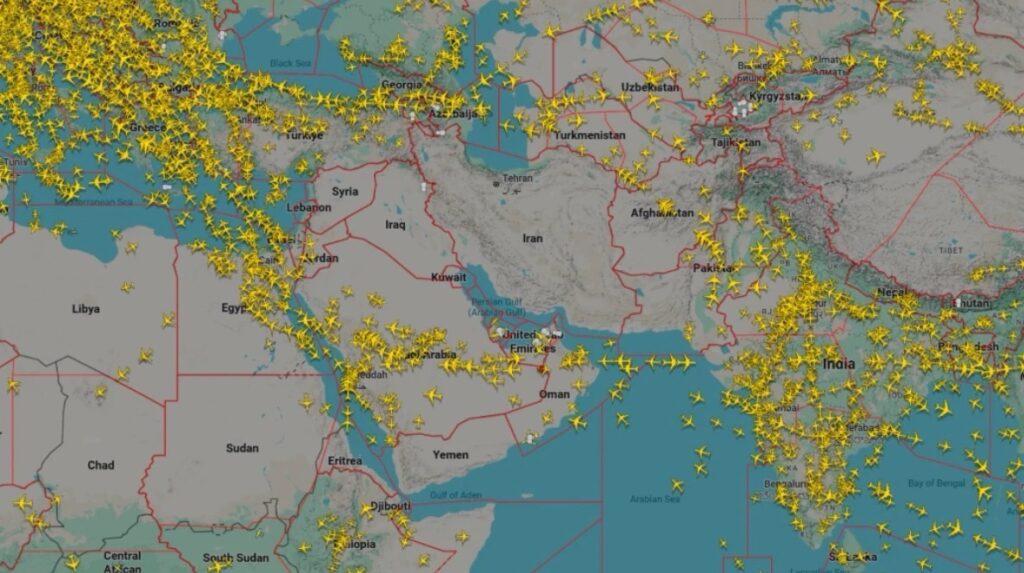
Experts in the industry indicate that the extent of simultaneous airspace closures is unusual and underscores the seriousness of the escalation. Airlines are rerouting through longer pathways over Central Asia and the Arabian Sea to steer clear of conflict zones.
What Is the Israel–Iran Conflict And Why Is It Occurring?
The most recent escalation commenced on February 28 when Israel executed what it termed a preemptive strike on Iranian military and nuclear-associated sites. The United States validated its participation in the operation. These strikes follow a 12-day aerial conflict between Israel and Iran that took place in June of the previous year.
The growing tensions have been fueled by disagreements regarding Iran’s nuclear program and its military influence in the region. Western nations have consistently aimed to impose restrictions on Tehran’s nuclear activities, while Israel insists that it will not permit Iran to acquire nuclear weapons capabilities.
In response to the strikes on February 28, Iran declared retaliatory actions, and numerous countries in the vicinity closed their airspace as a precautionary measure. The conflict has escalated geopolitical tensions and intensified concerns about further military escalation throughout the Middle East.
For all aviation-related guidance (DGCA ground classes, pilot training, cabin crew training)
Contact us https://contrail.in/
phone numbers +91 78457 69399