


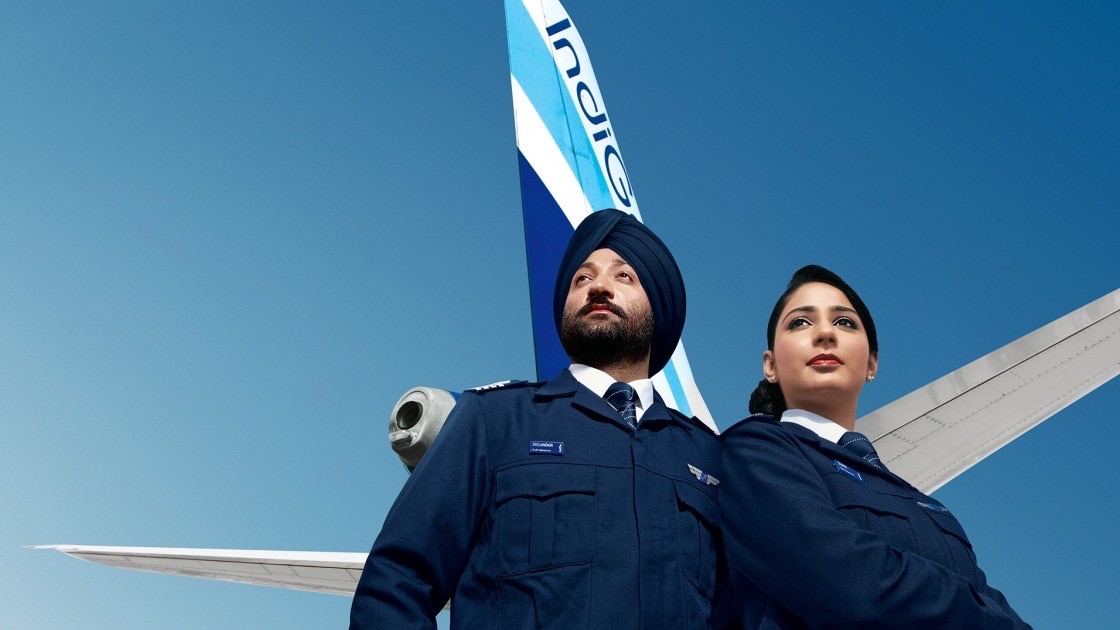
IndiGo (6E), the largest airline in India, has revealed its intention to recruit over 1,000 pilots in response to significant operational disruptions that led to the cancellation of thousands of flights late last year. This recruitment drive represents one of the airline’s most substantial cockpit hiring initiatives in recent times.
The disruption, primarily affecting Indira Gandhi International Airport (DEL), highlighted deficiencies in crew planning in light of updated Directorate General of Civil Aviation (DGCA) regulations. IndiGo is now focused on enhancing roster stability while accommodating rapid fleet expansion within its Airbus A320 family network.
IndiGo Hiring 1,000s of Pilots
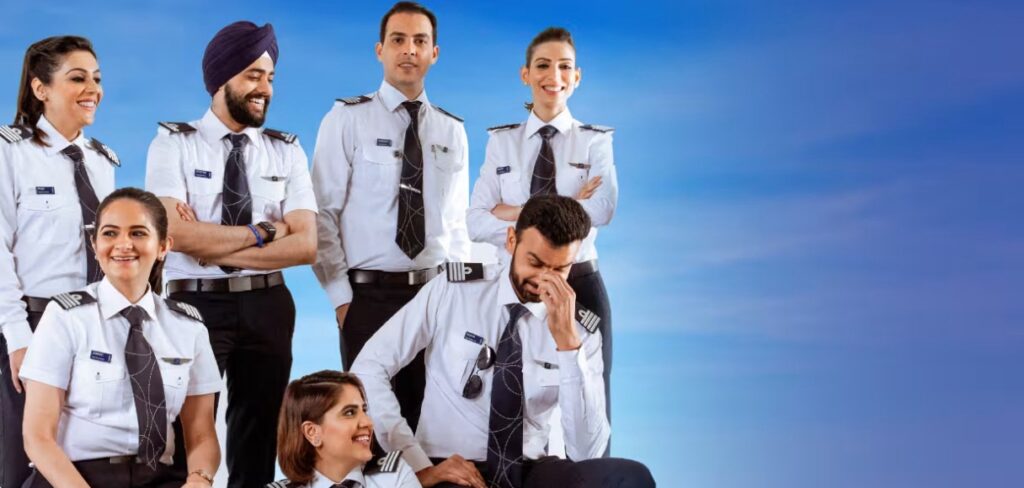
IndiGo has confirmed that the recruitment initiative will include trainee first officers, senior first officers, and commanders.
The airline has opened applications to candidates lacking prior Airbus A320 experience, thus broadening its talent pool amid a strong demand for flight crew.
This decision follows an internal and regulatory evaluation after the airline canceled more than 5,000 flights within a single week in December. The DGCA determined that the capacity for crew hiring and training had not kept pace with new night duty restrictions and enhanced weekly rest requirements.
Under the new framework, regulators have limited landings between midnight and 6 a.m. and extended mandatory rest periods for pilots.
These adjustments necessitate airlines to maintain larger crew reserves to safeguard schedule integrity.
DGCA Findings
The regulator concluded that IndiGo organized crew rosters to optimize both aircraft and pilot utilization, resulting in a minimal operational buffer. Investigators noted extensive use of deadheading, prolonged duty periods, and frequent crew reassignments.
The DGCA temporarily eased certain night duty restrictions until February 10 to stabilize operations.
However, the evaluation underscored the necessity for more robust roster planning and enhanced operational resilience.
During the investigation, data indicated that IndiGo needed 2,422 captains but only had 2,357 available. While the shortfall seemed minor on paper, high aircraft utilization exacerbated its effects throughout the network.
Fleet Expansion Plans
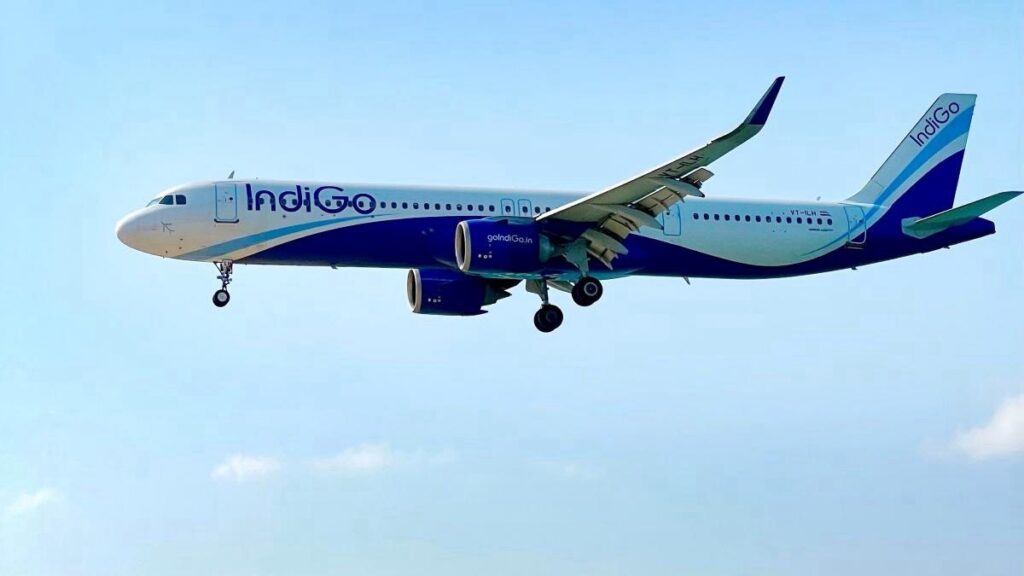
IndiGo continues to incorporate nearly four aircraft each month, predominantly Airbus A320 family jets. The accelerated fleet growth has intensified pressure on pilot availability, especially as internal promotions only advance 20 to 25 first officers to captain status each month.
Training remains a lengthy endeavor.
Trainee first officers typically require around six months before receiving line clearance, while command upgrades necessitate a minimum of 1,500 flight hours, often exceeding that under specific airline standards, according to the Times of India.
The airline has also revised its network planning to create operational flexibility.
Schedule buffer margins have increased to 3 percent, in contrast to nearly none during the December disruptions, and standby crew availability is now maintained at a minimum of 15 percent.
Bottom Line
Regulatory guidelines stipulate three sets of pilots per aircraft, including at least one captain and one first officer.
However, IndiGo’s high aircraft utilization demands significantly higher crew ratios to ensure reliability across its growing domestic and international network.
With this recruitment initiative, IndiGo seeks to synchronize manpower growth with aircraft induction and regulatory compliance.
For all aviation-related guidance (DGCA ground classes, pilot training, cabin crew training)
Contact us https://contrail.in/
phone numbers +91 78457 69399