


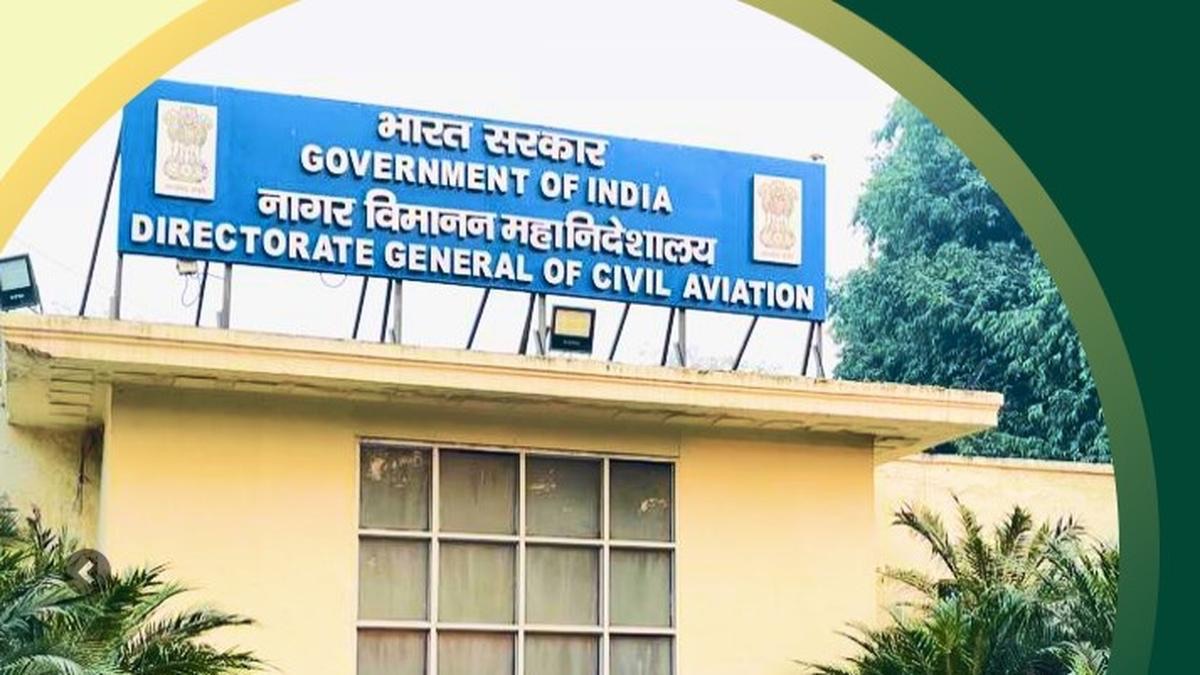
India Revamps Air Travel Regulations In a significant initiative to transform the passenger journey, India’s aviation authority, the Directorate General of Civil Aviation (DGCA), has rolled out comprehensive reforms aimed at enhancing transparency and consumer satisfaction in air travel.
At the core of these modifications is a mandate that compels airlines to provide at least 60% of seats on each flight without charging for seat selection. However, this reform transcends mere pricing—it establishes a wider set of passenger rights intended to eradicate hidden fees, promote equitable seating arrangements, and facilitate improved communication between airlines and their customers.
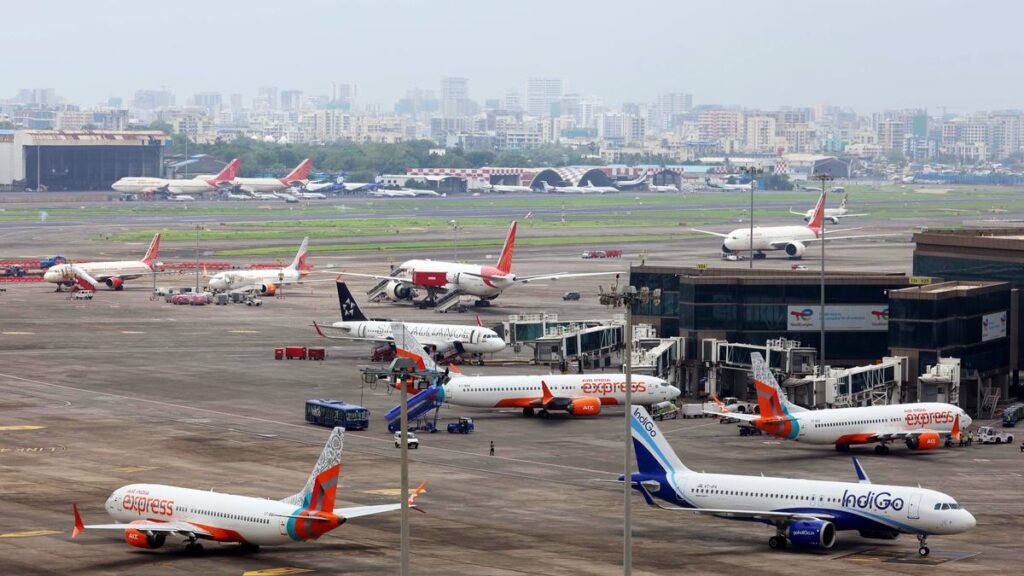
The End of “Pay-to-Sit”: A New Era of Complimentary Seat Access For an extended period, travelers booking flights in India frequently faced additional fees when selecting their seats, even after securing their tickets. This practice, broadly condemned as unclear and unjust, is now being directly confronted.
According to the new regulations, airlines are obligated to offer a majority of seats free of extra charges, fundamentally altering the perception of ticket pricing. Passengers will now enjoy significantly enhanced freedom to select their desired seats without the anxiety of unexpected add-ons raising their expenses.
This initiative is anticipated to clarify airfare models, enabling travelers to gain a better understanding of their upfront costs.
No Family Left Apart: Seating Guidelines Acquire a Human Touch One of the most significant aspects of the reform addresses a long-standing issue—families being separated across different rows unless they opted to pay more.
The DGCA now mandates that airlines seat passengers linked by the same Passenger Name Record (PNR) together, wherever feasible. This means that families, friends, and groups can expect to be seated next to each other without incurring extra costs. This adjustment builds upon previous safeguards for minors, ensuring that children are placed alongside their accompanying adults. Now, this advantage extends to all group travelers, making their journeys more pleasant and less stressful.
Beyond Seats: A Comprehensive Passenger Bill of Rights Emerges The reforms introduce a broader framework that effectively serves as a passenger bill of rights. Airlines are now required to deliver clear and accessible information regarding a variety of policies that were often obscured in fine print. These encompass: Baggage allowances and limitations
Regulations for traveling with pets Protocols for carrying sports equipment and musical instruments By enforcing transparency, the DGCA seeks to eliminate ambiguity and empower passengers with the essential information they require prior to their travels.
Speaking the Passenger’s Language: Enhanced Accessibility Acknowledging India’s linguistic diversity, the updated rules obligate airlines to convey passenger rights in regional
languages in addition to English. This seemingly straightforward modification could yield significant benefits, especially for first-time flyers and travelers from non-English-speaking backgrounds. By improving access to information, the policy guarantees that a broader segment of the population can navigate air travel with confidence.
From Grievances to Resolution: Enhancing Grievance Redressal Mechanisms A pivotal component of this reform initiative is the emphasis on accountability. Airlines are now anticipated to bolster their grievance redressal frameworks, thereby ensuring prompt and effective responses to passenger complaints. Whether pertaining to delays, cancellations, or refund discrepancies, the priority is on swift resolution and transparent communication.
Regulatory authorities have further emphasized the rigorous enforcement of existing regulations, indicating that non-compliance will face stringent repercussions.
Challenging Times for Airlines?
Sector Responds to Revenue Implications Although passengers are poised to reap considerable benefits, these reforms may pose financial hurdles for airlines. Traditionally, fees associated with seat selection have been a significant source of supplementary revenue. With a substantial portion of seats mandated to be complimentary, airlines may need to reevaluate their pricing approaches. Industry analysts suggest that carriers could either adjust their base fares or implement new service-related fees to mitigate potential revenue losses. The announcement has already elicited cautious responses within the aviation industry, including fluctuations in airline stock prices, reflecting apprehensions regarding profitability.
Why Now? The Rationale Behind the Policy Overhaul The timing of these reforms is intricately linked to the swift expansion of India’s aviation market. As an increasing number of individuals take to the skies, the demand for a fair and transparent system has become more pressing.

Ongoing passenger grievances—ranging from concealed charges to suboptimal seating arrangements—have compelled authorities to take decisive action. The objective is not only to safeguard consumer interests but also to foster long-term trust within the aviation ecosystem.
By tackling these issues, the government seeks to cultivate a more equitable environment where both passengers and airlines can prosper.
Implications for Your Next Flight For travelers, these changes are both immediate and significant. Booking a flight will now entail fewer unforeseen circumstances and greater control over the travel experience. Passengers can anticipate: – Increased accessibility of complimentary seats – Enhanced likelihood of sitting alongside companions – More transparent and clear airline policies – Improved assistance in the event of disruptions However, travelers should remain cognizant that while fees for seat selection may decrease, overall ticket pricing could undergo adjustments as airlines adapt to this new regulatory framework.
A Passenger-Centric Future Takes Flight
India’s decision to mandate the allocation of 60% complimentary seats and to implement a thorough passenger rights framework signifies a transformative milestone for its aviation sector. By prioritizing consumer welfare, these reforms promise a more equitable and reliable flying experience. While airlines may encounter short-term adjustments, the long-term ramifications could yield a more trusted and resilient industry. As these regulations come into effect, it is evident that the balance of power in Indian aviation is shifting toward the passenger, rendering the skies not only more accessible but also fairer.
For all aviation-related guidance (DGCA ground classes, pilot training, cabin crew training)
Contact us https://contrail.in/
phone numbers +91 78457 69399