


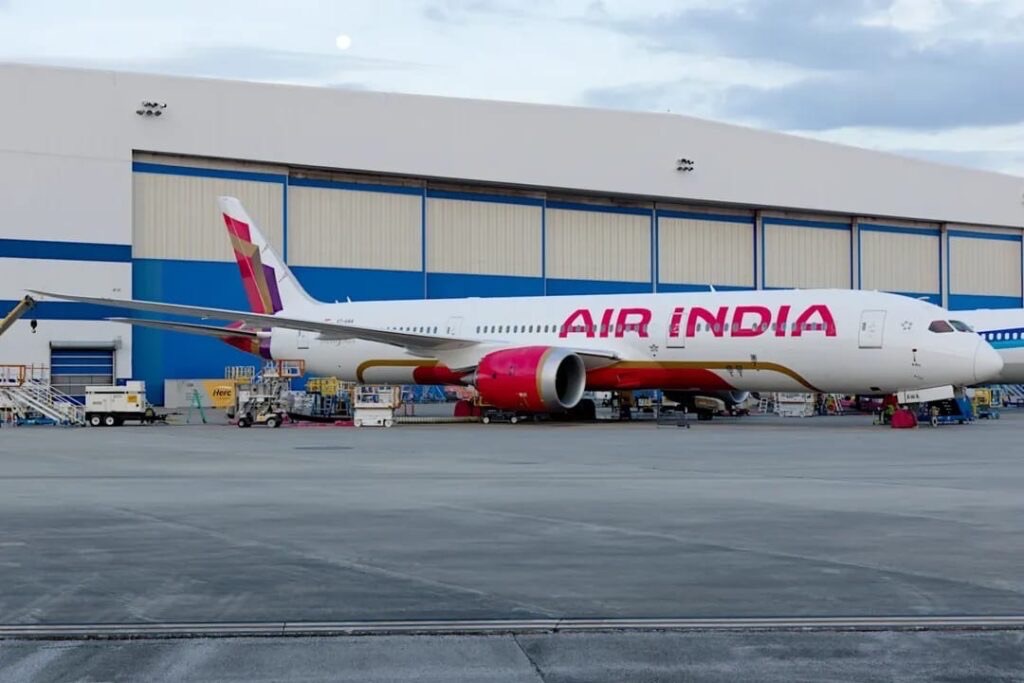
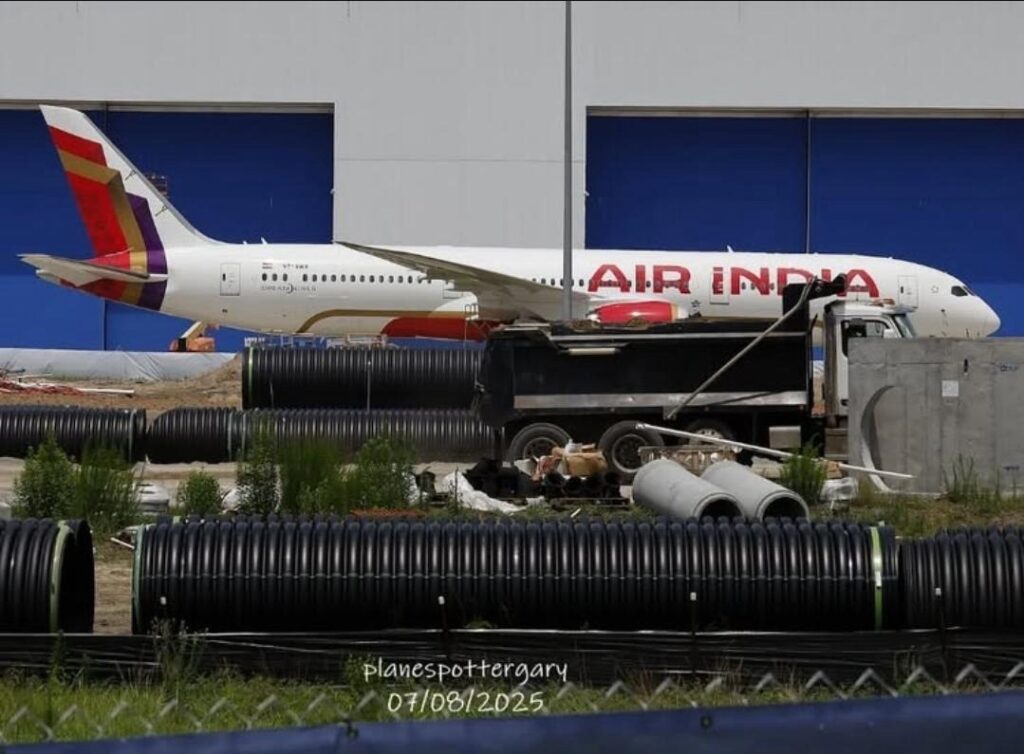
A significant milestone in the evolving aviation partnership between India and the United States has been reached with the receipt of Air India’s inaugural line-fit Boeing 787-9 Dreamliner in Seattle. This aircraft marks the first tailor-made Dreamliner to be incorporated into the airline’s fleet since the Tata Group took ownership, showcasing a revitalized commitment to global connectivity, passenger satisfaction, and environmentally-friendly long-haul travel. The handover at Boeing’s Everett facility emphasizes the increasing cooperation between Indian airlines and American aerospace manufacturers, a collaboration that continues to shape international travel and tourism dynamics. As Air India progresses with its ambitious fleet renewal strategy, the arrival of this aircraft is regarded as more than just a customary delivery. It heralds a wider transformation aimed at bolstering India’s position as a global aviation center while expanding travel possibilities between India, the United States, and other long-haul locations. Crafted with contemporary cabins and enhanced efficiency, the Dreamliner is anticipated to play a pivotal role in redefining how international travelers perceive Indian aviation. This advancement also highlights the strategic significance of wide-body aircraft in fostering tourism growth, business travel, and cultural exchanges across borders.
Delivery in Seattle Signifies a New Era
The receipt of Air India’s first line-fit Boeing 787-9 Dreamliner since the completion of privatization took place in Seattle, United States, at Boeing’s Everett manufacturing site. The transfer of ownership was completed after thorough inspections, marking a crucial milestone in the airline’s strategy for expanding its wide-body fleet. This occasion signifies the first such delivery since October 2017, when the airline remained under government ownership.
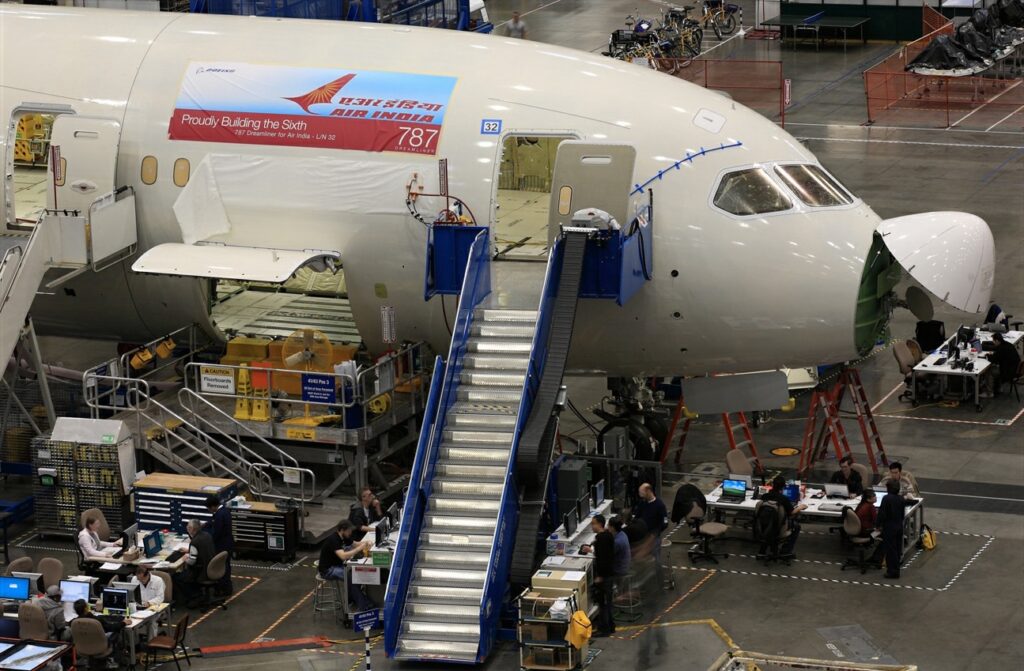
As a line-fit aircraft, the Dreamliner was manufactured specifically according to Air India’s requirements on Boeing’s production line. This method enables the airline to incorporate its latest cabin design and onboard standards without the necessity for significant modifications after delivery. The outcome is a quicker entry into service and a more uniform passenger experience throughout the fleet.
Regulatory Approval and Journey to India
Prior to commencing commercial operations, the aircraft underwent regulatory inspections by the Directorate General of Civil Aviation in India. These evaluations were carried out to ensure complete adherence to Indian aviation safety and operational regulations. Once the approvals are finalized, the aircraft is anticipated to make its way to India within a few days.
Following its induction, the Boeing 787-9 will be assigned to long-haul international routes, enhancing connectivity between India and major global markets. This advancement is expected to promote tourism growth by providing travelers with greater comfort and modern conveniences on long-distance journeys.
First Wide-Body Delivery from a Historic Boeing Order
This Dreamliner delivery is significant as the inaugural wide-body aircraft to be transferred under Air India’s 2023 Boeing order. That agreement encompasses 220 Boeing aircraft and is a component of a broader fleet renewal initiative launched by the Tata Group.
Since the acquisition in January 2022, a total of 570 aircraft orders have been placed. This figure includes 350 Airbus planes and 220 Boeing jets, marking one of the most substantial aviation procurement initiatives in history. The plan has been crafted to modernize an aging fleet while ensuring the airline aligns with international standards in efficiency and passenger comfort.
Progress Across Airbus and Boeing Fleets
On the Airbus front, six Airbus A350 aircraft have already been incorporated into Air India’s fleet, boosting its long-haul capabilities. At the same time, Boeing deliveries have advanced through the group’s budget division. Air India Express has welcomed 51 Boeing 737-8 aircraft, which includes the inaugural line-fit narrow-body plane delivered in December.
Collectively, these additions exemplify a well-rounded fleet strategy that caters to both full-service and low-cost travel segments, enhancing the diversity and resilience of the aviation ecosystem in India.
Existing Dreamliner Fleet and Integration of Vistara
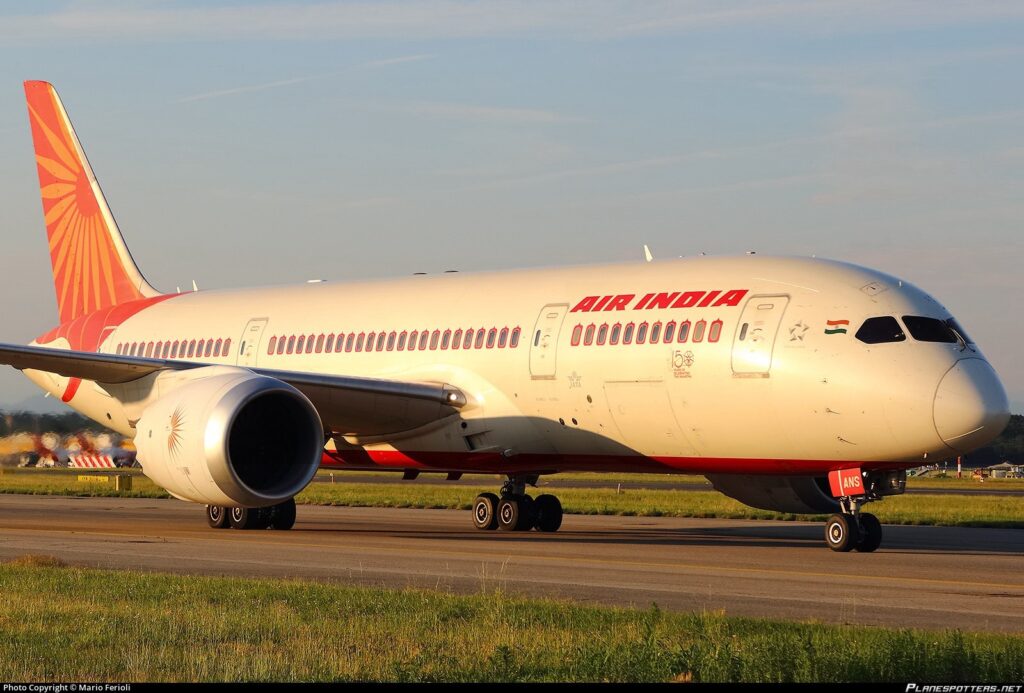
Air India presently operates 26 Boeing 787-8 aircraft alongside six Boeing 787-9s acquired from Vistara. The integration of these planes occurred following the merger of Vistara into Air India, a strategic consolidation aimed at optimizing operations and bolstering the group’s premium offerings.
Furthermore, approximately a dozen legacy Dreamliners are currently undergoing interior refurbishments and are expected to re-enter service by 2026. These upgrades aim to bring older aircraft in line with the airline’s updated cabin standards, ensuring uniformity across the Dreamliner fleet.
Boeing 787-9 Designed for Modern Long-Haul Travel
The Boeing 787-9 Dreamliner has been designed to merge efficiency with passenger comfort. Its construction focuses on minimizing fuel consumption, lowering emissions, and ensuring quieter operations, making it ideal for environmentally aware long-haul travel.
Fuel efficiency stands out as a hallmark of the aircraft, with consumption estimated at around 2.5 liters per passenger per 100 kilometers. This marks a substantial improvement compared to older wide-body aircraft, directly leading to lower operating costs and reduced carbon dioxide emissions.
Cabin Design Focused on Comfort and Space
Passenger comfort has been at the forefront in the Boeing 787-9’s cabin design. The aircraft boasts the largest windows found on any commercial airliner. Positioned higher on the fuselage, these windows allow a greater influx of natural light into the cabin and afford improved views outside, even for passengers seated away from the window.
Overhead storage compartments have been reimagined to accommodate various carry-on sizes, thereby increasing storage capacity above each seat. This innovation alleviates congestion during boarding and deplaning, contributing to a more seamless travel experience.
Long-Term Fleet Vision and Tourism Growth
The Air India Group now operates over 300 aircraft across its brands, with Air India representing 185 and the rest operated by Air India Express. By the end of 2026, the addition of 26 more aircraft is planned, encompassing both wide-body and narrow-body models.
By that time, it is anticipated that 81 percent of Air India’s international flights will be conducted using upgraded aircraft. This transformation is expected to enhance India’s attractiveness as a global travel destination while strengthening air connections with countries such as the United States.
For all aviation-related guidance (DGCA ground classes, pilot training, cabin crew training)
Contact us https://contrail.in/
phone numbers +91 78457 69399