


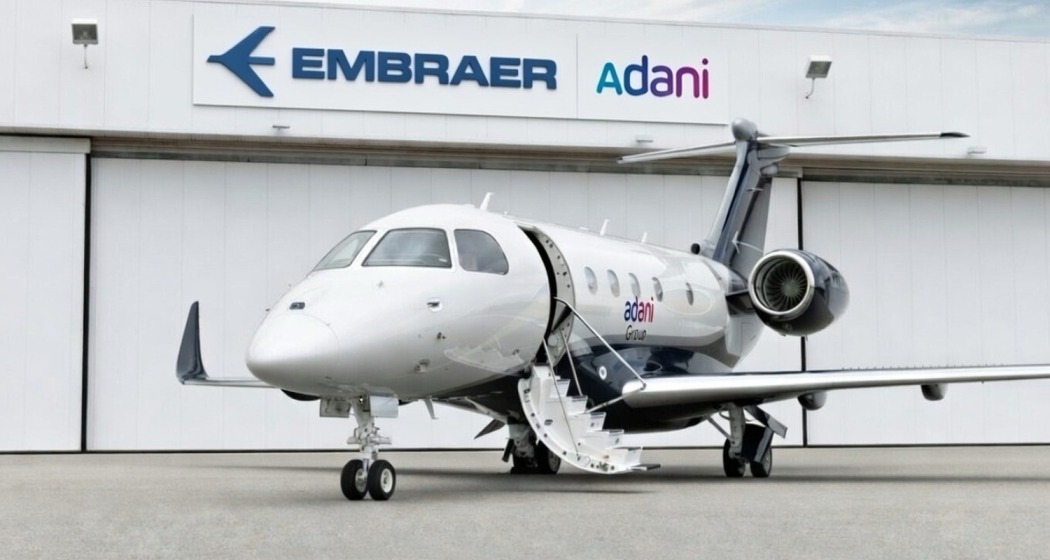
In a groundbreaking initiative that promises to transform the Indian aviation sector and the worldwide travel market, Adani Defence & Aerospace — a division of the Adani Group in India — and the Brazilian aerospace leader Embraer have formalized a Memorandum of Understanding (MoU) to create a regional transport aircraft ecosystem in India. This agreement signifies a pivotal development in the nation’s aircraft manufacturing sector, laying the groundwork for local assembly lines, supply chain expansion, aftermarket services, and pilot training, thereby positioning India as a significant manufacturing center for regional jets.
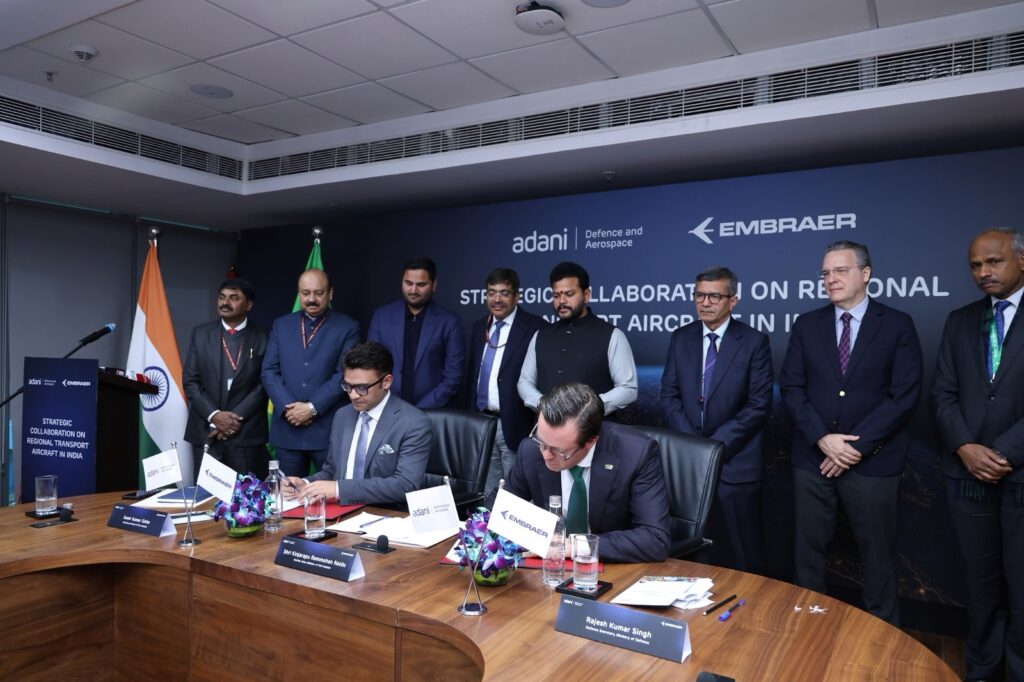
The strategic agreement, unveiled in New Delhi on January 27, 2026, signifies a stronger industrial partnership between one of India’s most ambitious conglomerates and a leading global manufacturer of regional aircraft. This collaboration is in line with the Indian government’s objectives — including the Aatmanirbhar Bharat (self-reliant India) initiative and the UDAN regional connectivity scheme — aimed at enhancing local aerospace capabilities while improving air travel accessibility for passengers in tier-II and tier-III cities.

A Historic Move for India’s Aerospace Sector and Travel Industry
The MoU outlines a cooperative framework encompassing aircraft manufacturing, supply chain enhancement, maintenance, repair and overhaul (MRO), pilot training, and support services. At its essence is a strategy to set up an aircraft assembly line in India, which would constitute one of the most significant advancements toward producing civil aircraft domestically, reducing reliance on imported jets.
Embraer, the renowned Brazilian aircraft manufacturer recognized for its regional jets accommodating between 70 and 140 passengers, will contribute decades of engineering and production proficiency to this partnership. India’s aviation market — the fastest-growing major civil aviation sector globally — is projected to require hundreds of new aircraft over the next ten years. Embraer’s aircraft are already in operation with Indian airlines and defense forces, with nearly 50 planes engaged in commercial, defense, and business capacities.
Jeet Adani, Director of Adani Defence & Aerospace, characterized the partnership as a “strategic collaboration dedicated to establishing a robust regional aviation ecosystem in India” and underscored that regional aviation serves as a cornerstone of economic development. He pointed out that initiatives like UDAN, the government’s regional air connectivity program, have heightened the demand for smaller aircraft capable of connecting cities with limited air services.
Why the Partnership Matters for India’s Travel Connectivity
This MoU will impact numerous aspects of the travel and tourism sector. With improved access to domestic aircraft manufacturing, India can expedite the introduction of smaller jets designed for short-haul and regional routes. This, in turn, has the potential to lower airfare prices, enhance flight frequency, and render air travel a more feasible option for millions of Indians and international travelers alike. Industry experts assert that enhanced regional connectivity stimulates economic activity, boosts tourism influx, and facilitates the movement of both business and leisure travelers.
Officials from both organizations observed that the collaboration will be implemented in phases, starting with the assembly of aircraft and progressively increasing the share of locally sourced manufacturing content. This initiative is anticipated to cultivate a more robust industrial ecosystem that includes parts suppliers, maintenance, repair, and overhaul (MRO) facilities, and pilot training centers, collectively contributing to long-term employment opportunities and enhancing India’s position in the global aerospace value chain.
Aligning with Government Initiatives: Make In India and UDAN
The collaboration reinforces the Indian government’s Make in India initiative, which advocates for foreign manufacturers to localize their production within India. This Memorandum of Understanding (MoU) aligns with existing efforts aimed at decreasing dependence on imported aircraft and emphasizing local manufacturing — a long-standing national goal in sectors such as defense and aviation.
Moreover, the UDAN scheme — which translates to Ude Desh ka Aam Naagrik (“Let the Common Citizen Fly”) — aims to improve regional aviation by subsidizing flights and developing airport infrastructure in smaller cities, thereby enhancing travel opportunities for millions. The Adani‑Embraer collaboration has the potential to expedite this vision by providing aircraft specifically tailored for regional travel needs, connecting communities that have previously lacked access to commercial air services.
Economic and Employment Impacts
While the specifics regarding investment, production scale, and factory location remain to be determined, analysts anticipate that the emerging aviation ecosystem will create substantial direct and indirect employment across various sectors. These sectors include engineering, manufacturing, logistics, and aviation support services. Local job creation is expected to occur not only on the assembly line but also throughout supplier networks and training institutions, generating economic prospects in both urban and rural areas.
One of the principal advantages of local aircraft assembly is the transfer of technology and expertise. Indian engineers, technicians, and aviation professionals will gain hands-on experience with advanced aerospace manufacturing techniques. Over time, this knowledge transfer could enhance India’s ability to design and produce indigenous aircraft — a fundamental aspect of the country’s broader industrial ambitions.
Strengthening India‑Brazil Strategic Cooperation
The partnership also highlights the growing bilateral collaboration between India and Brazil, two prominent democracies with advancing aerospace capabilities. Traditionally, Embraer has maintained a presence in India through commercial activities and defense partnerships. With this new agreement, diplomatic and trade relations may strengthen, further intertwining the aerospace industries of the two nations.
Brazil’s Embraer already has an established presence in India with aircraft serving in the Indian Air Force and commercial operations, including Star Air’s fleet of E175 aircraft. This existing operational framework provides a solid foundation for expanding into manufacturing and servicing roles, reinforcing the strategic rationale behind the partnership.
Challenges and Future Outlook
Despite the positive outlook, industry experts warn that the MoU serves as a framework rather than a definitive contract, and crucial questions remain — such as the assembly line’s location, investment scale, timeline for rollout, and specific aircraft types designated for production. These factors will influence how swiftly the partnership can yield tangible outcomes and economic advantages.
States like Gujarat and Andhra Pradesh have already shown interest in hosting aerospace manufacturing facilities, fostering healthy competition that could draw additional governmental incentives and infrastructure support.
For all aviation-related guidance (DGCA ground classes, pilot training, cabin crew training)
Contact us https://contrail.in/
phone numbers +91 78457 69399