

Air India, Emirates, Lufthansa, Qatar Airways, British Airways, and Singapore Airlines Prepare to Soar! India’s aviation boom will transform global travel by 2035!

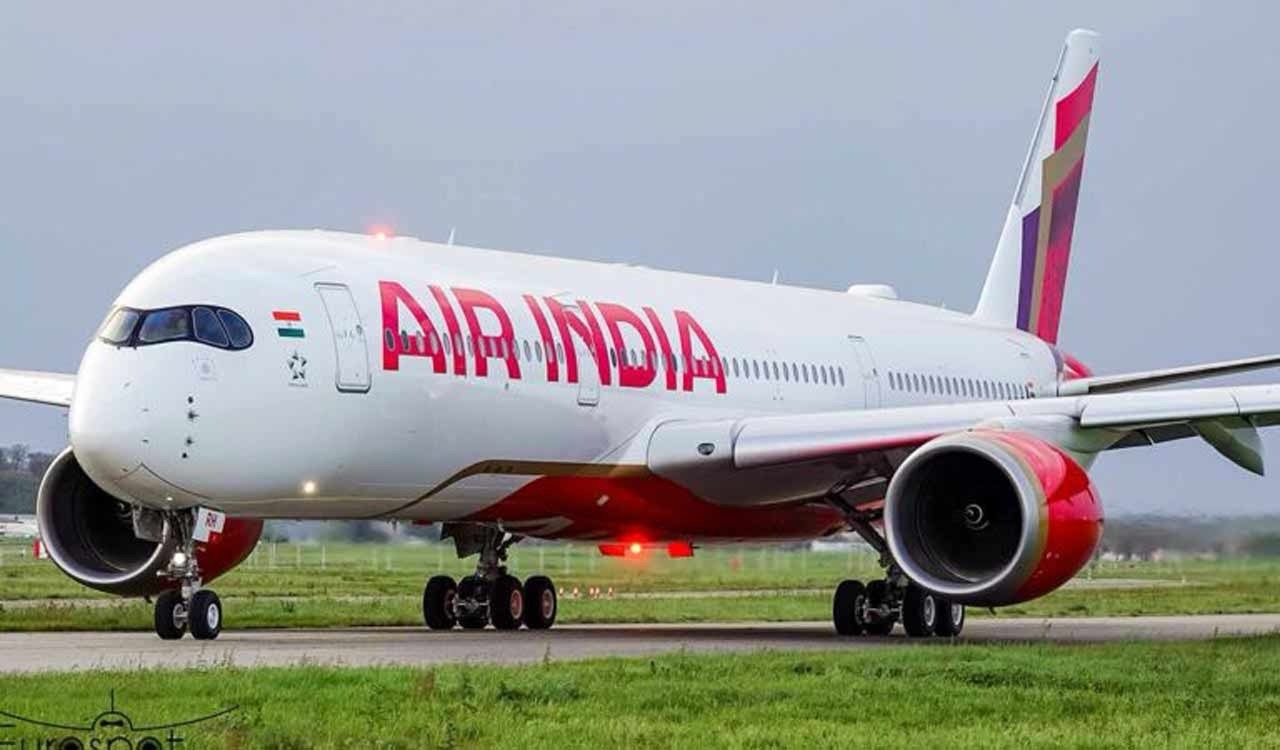
Air India, Emirates, and Lufthansa are all preparing to take the skies to new heights as India’s aviation sector undergoes a rapid transformation. With a thriving economy, a rapidly growing middle class, and improved air connectivity, India’s commercial fleet is expected to triple by 2035, ushering in a new era of global travel. As one of the fastest-growing aviation markets in the world, India is attracting major international carriers such as Air India, Emirates, Lufthansa, Qatar Airways, and Singapore Airlines, all of whom are positioning themselves to dominate the skies.
This boom in aviation expansion not only promises to make foreign travel more accessible and affordable, but it will also transform tourism, bringing millions of visitors to India’s shores. For travelers, this means more choices, better service, and a smoother journey to one of the world’s most exciting and diverse places. The hospitality industry, too, stands to benefit from the aviation boom, as luxury hotels, resorts, and low-cost accommodations expand to meet rising demand. Whether you’re a business traveler looking for direct routes or a tourist eager to explore India’s rich cultural tapestry, the next decade promises to revolutionize how we experience this incredible country—all thanks to an aviation revolution led by global giants like Air India, Emirates, and Lufthansa.
Air India, Emirates, Lufthansa, Qatar Airways, British Airways, and Singapore Airlines Prepare to Soar! India’s aviation boom will revolutionize global travel by 2035.
India’s aviation industry is undergoing major development. Major global airlines including Air India, Emirates, Lufthansa, Qatar Airways, British Airways, and Singapore Airlines are planning to enter India’s fast expanding market. The country’s commercial fleet is set to treble by 2035, transforming global travel and tourism. This article investigates how the aviation boom may impact travelers, airlines, and the hospitality business, with a particular emphasis on tourist-friendly elements, flight information, and emerging opportunities for travelers.
The New Era for Air India, Emirates, and Lufthansa
Air India, Emirates, Lufthansa, Qatar Airways, British Airways, and Singapore Airlines are all preparing to expand their operations in India. With India’s commercial fleet expected to triple by 2035, these airlines are positioned themselves to satisfy the growing demand for air travel. India’s increasing middle class, increased infrastructure, and a significant influx of international tourists are among the primary drivers of this aviation boom.
Air India, India’s flagship carrier, will play a critical part in the expansion. As the national airline, it has been investing heavily in new aircraft and increasing its route network.
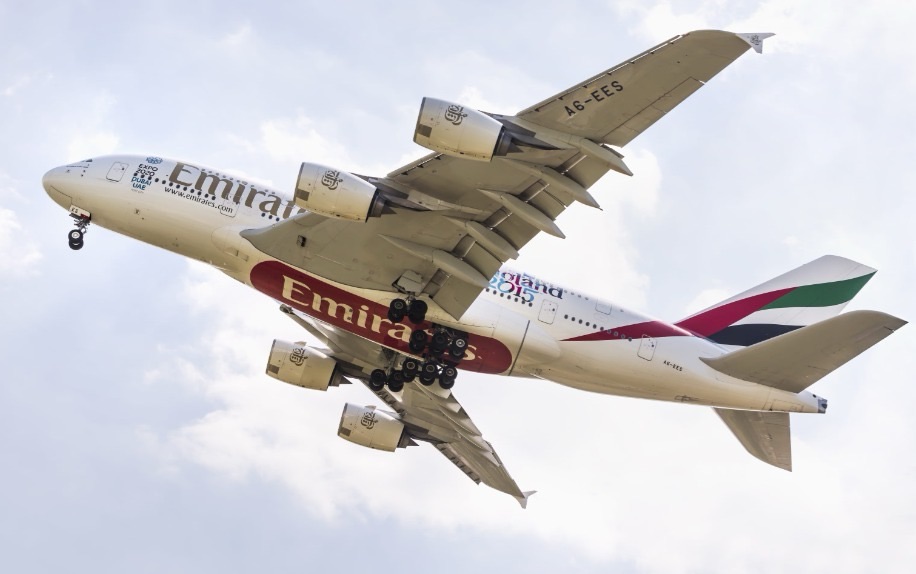
Emirates, one of the world’s largest international airlines, has long had a significant presence in India’s aviation business. Emirates, with its enormous network connecting India to the Middle East, Europe, and the Americas, is well-positioned to profit on the country’s thriving aviation sector. The airline’s strategic hub in Dubai enables it to easily connect passengers flying to and from India. Emirates’ fleet growth and new routes will give travelers more alternatives and convenience.
Lufthansa, a German carrier famed for its premium services, is another major competitor in the Indian industry. With India as one of the world’s fastest-growing aviation markets, Lufthansa is expanding its capacity to meet demand.
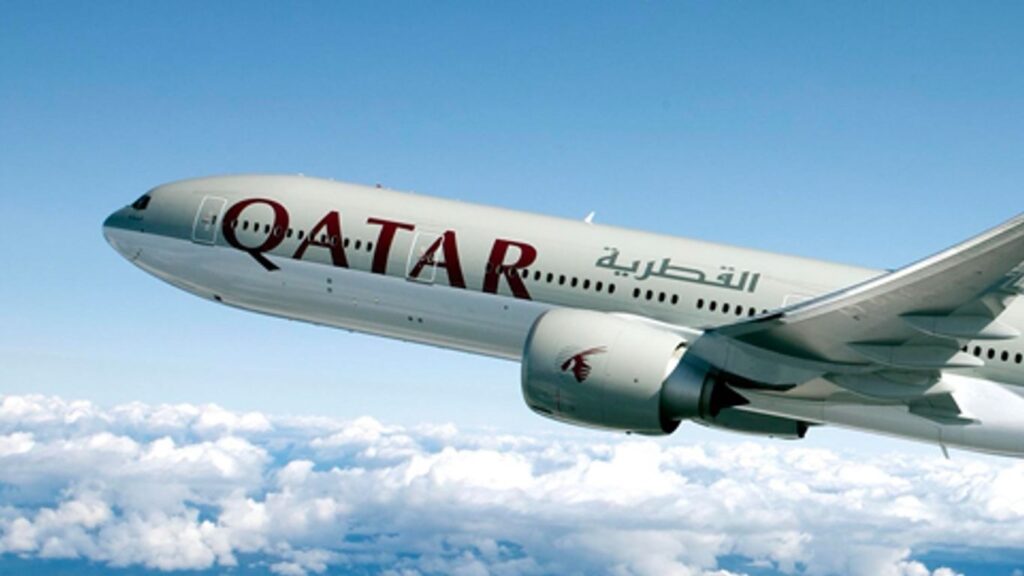
Qatar Airways, known for its exceptional service and wide global network, is increasing its presence in India. With its sophisticated fleet of aircraft, Qatar Airways provides passengers with a comfortable and elegant flying experience. The airline’s hub in Doha acts as a main connecting point for passengers traveling to India from all across the world. Qatar Airways is committed to increasing flight capacity and improving connectivity, making it easier for travelers to visit India.
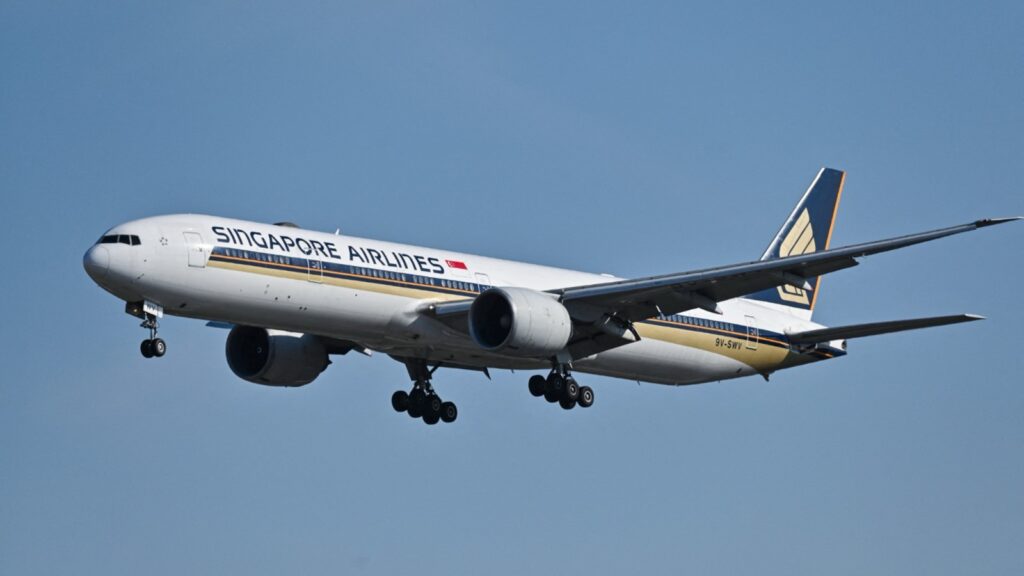
Both British Airways and Singapore Airlines are looking to increase their presence in India. British Airways, with a long history of service to India, continues to provide premium experiences on flights to and from major Indian cities.
Rapid expansion of India’s aviation fleet
India’s aviation sector is poised for extraordinary growth in the next years. By 2035, the country’s commercial fleet is set to nearly treble, from 850 to 2,250 aircraft. A growing middle class, greater air connections, and more disposable money are all driving this expansion. The aviation industry is becoming more cost-effective and accessible, allowing millions more Indians to travel more often. As India’s domestic air travel market expands, multinational airlines want to capitalize on this demand.
India’s tourist industry is another key benefactor of this aviation expansion. As more flights become available, domestic and international tourism will experience tremendous growth. Airlines are boosting frequency, adding new routes, and making air travel more easy for international travelers. This is likely to increase India’s appeal to international tourists.
What’s in it for travelers?
With India’s aviation fleet expected to grow, the country’s tourism industry is in for a big upheaval. India is already one of the world’s most popular tourist destinations, and with enhanced air connectivity, the number of international visitors is likely to increase significantly. As airfares fall and airline frequencies rise, tourists will have more opportunities to visit India at their leisure.
India’s expanding worldwide appeal, along with improved connectivity, means that more visitors from the United States, United Kingdom, Australia, Canada, and other key markets will be able to visit India more readily. Increased competition among airlines will lower prices, making India a more affordable destination for tourists from all over the world. This is especially significant for budget-conscious vacationers looking to secure the greatest airfare bargains possible.
The tourism industry in India is also benefiting from airport growth and the establishment of new tourism hubs. Tourists may now go to India’s most rural and less-visited places because to better infrastructure.
The Hospitality Industry: Meeting the Increased Demand
The Indian hospitality industry is preparing for the tourism boom that will be driven by the expansion of the aviation sector. Major hotel companies such as Marriott, Hilton, Taj, Oberoi, and Accor are expanding their presence in India to meet rising demand for housing. As the number of international travelers grows, these hotel brands make sure they have the infrastructure and services to cater to an increasingly diverse and affluent customer.
The hospitality industry’s expansion extends beyond luxury hotels. Budget hotels and guesthouses are also expanding to accommodate the growing number of international and domestic tourists.
India’s promising future as a global travel hub
India’s aviation boom is expected to change world travel by 2035. With a tripling of the commercial fleet, increasing airline competition, and a spike in tourism, India is on track to become one of the world’s top travel destinations. The hospitality industry will also profit, as large hotel chains expand to satisfy the needs of both luxury and cheap guests. For tourists, this means more flying options, increased connection, and better travel experiences. Whether you’re planning a business trip or a holiday, India’s rapidly expanding aviation and hospitality sectors will assure a smooth and comfortable journey.
For all aviation-related guidance (DGCA ground classes, pilot training, cabin crew training)
Contact us https://contrail.in/
phone numbers +91 78457 69399