

Embraer and Adani Group Establish StrategicPartnership for Indian Aircraft Production

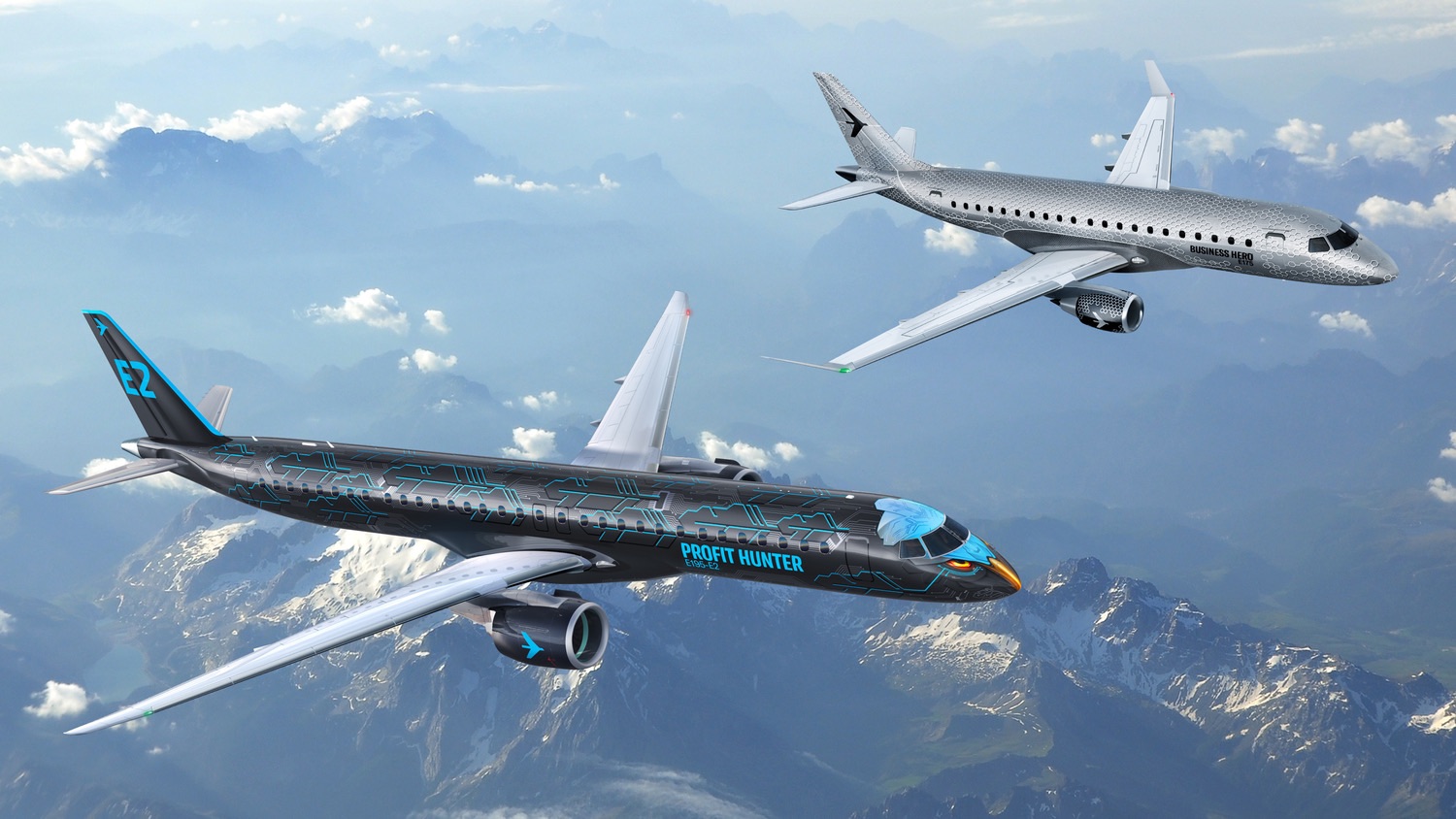
The Indian aviation industry is undergoing a transformation driven by a pivotal collaboration between global expertise and local industrial strength. A significant achievement was recently marked by the signing of a Memorandum of Understanding between the Brazilian aerospace giant Embraer and Adani Defence and Aerospace. This alliance aims to investigate the feasibility of setting up a dedicated aircraft assembly line within the nation. It is anticipated that the establishment of this manufacturing center is reliant on securing 200 firm orders from domestic airlines. By merging the technological capabilities of South America with the infrastructure strengths of the Adani Group, a solid groundwork for the Make in India initiative is being laid.
This venture primarily concentrates on the E2 family jets, which are internationally acclaimed for their effectiveness in regional connectivity. As the appetite for air travel between tier-two and tier-three cities escalates, the necessity for adaptable, narrow-body aircraft becomes increasingly pronounced. This strategic partnership directly supports the Indian government’s objectives to boost domestic manufacturing and achieve aerospace self-sufficiency.

The Benchmark for Local Production
The leadership at the Brazilian company has articulated a clear strategy for transitioning from imports to domestic manufacturing. They have emphasized that the creation of a full-scale Final Assembly Line is not just a theoretical aspiration but a tangible responsibility linked to market demand. The crucial figure of 200 aircraft has been recognized as the essential quantity to guarantee the economic feasibility of such a large-scale industrial venture. Once this benchmark of firm orders is reached by various Indian airlines, the process of relocating manufacturing operations to Indian territory will commence.
This strategy ensures that the investment remains viable while offering a distinct incentive for local airlines to upgrade their fleets. With a localized production facility, delivery lead times are expected to diminish, and the logistical challenges tied to international shipping are likely to be alleviated. Consequently, the narrative of the Indian aerospace sector is being directed towards a future where “built in India” becomes the norm for regional commercial jets.
Enhancing Regional Connectivity
The primary catalyst for this expansion is the E195-E2, an aircraft renowned for its environmental efficiency and cost-effectiveness. Industry experts frequently underscore the suitability of this particular model for the Indian landscape. Given the extensive distances and diverse sizes of urban areas across the subcontinent, the E2 series is positioned as the optimal solution for routes that currently cannot accommodate the capacity of larger narrow-body aircraft.
The regional connectivity initiative, often referred to as UDAN, is perceived as a vital catalyst for this demand. As more airports emerge in remote areas, the need for aircraft that can operate effectively with lower passenger capacities while upholding high levels of comfort and safety becomes increasingly critical.

Synergies Between Embraer and Adani
This partnership encompasses much more than simple assembly; it delves into maintenance, repair, and overhaul services as well. By collaborating with a major player like the Adani Group, the Brazilian company secures access to an extensive network of airports and industrial parks. The unique strengths of each partner are designed to be utilized in order to establish a holistic ecosystem for aviation.
It is expected that the aerospace engineering expertise offered by the Brazilian firm will be enhanced by the Indian partner’s project management and infrastructure development skills. This collaboration is anticipated to facilitate a transfer of advanced technological skills to the local workforce, ultimately improving the overall technical capabilities of the nation’s defense and aerospace sectors. The Memorandum of Understanding acts as an official commitment from both parties to engage in long-term collaboration aimed at capturing a significant market share in the regional jet segment.
Economic and Industrial Implications
The potential launch of an assembly line is projected to create a ripple effect throughout the national economy. Thousands of skilled positions could emerge, spanning roles from assembly line technicians to specialized aerospace engineers. Additionally, the local supply chain is poised to be revitalized as the demand for components and raw materials escalates.
Future Outlook for the Partnership
As discussions progress and the search for the necessary 200 orders intensifies, the global aviation community is closely monitoring this situation. Should it succeed, this initiative would mark one of the most notable foreign direct investments in the Indian private aerospace industry. The commitment displayed by the Brazilian powerhouse indicates a strong belief in the long-term growth prospects of the Indian market.
The strategy encompasses not only the physical assembly of aircraft but also the development of a training and support infrastructure to guarantee that the fleet remains operational and effective. Such high-stakes collaborations are facilitating the transition to a more sophisticated aviation market. Ultimately, the aim is to establish a self-sustaining cycle of production and consumption within the country, ensuring that the skies are populated by aircraft that are not only operated by Indian companies but also manufactured in Indian factories.
For all aviation-related guidance (DGCA ground classes, pilot training, cabin crew training)
Contact us https://contrail.in/
phone numbers +91 78457 69399